





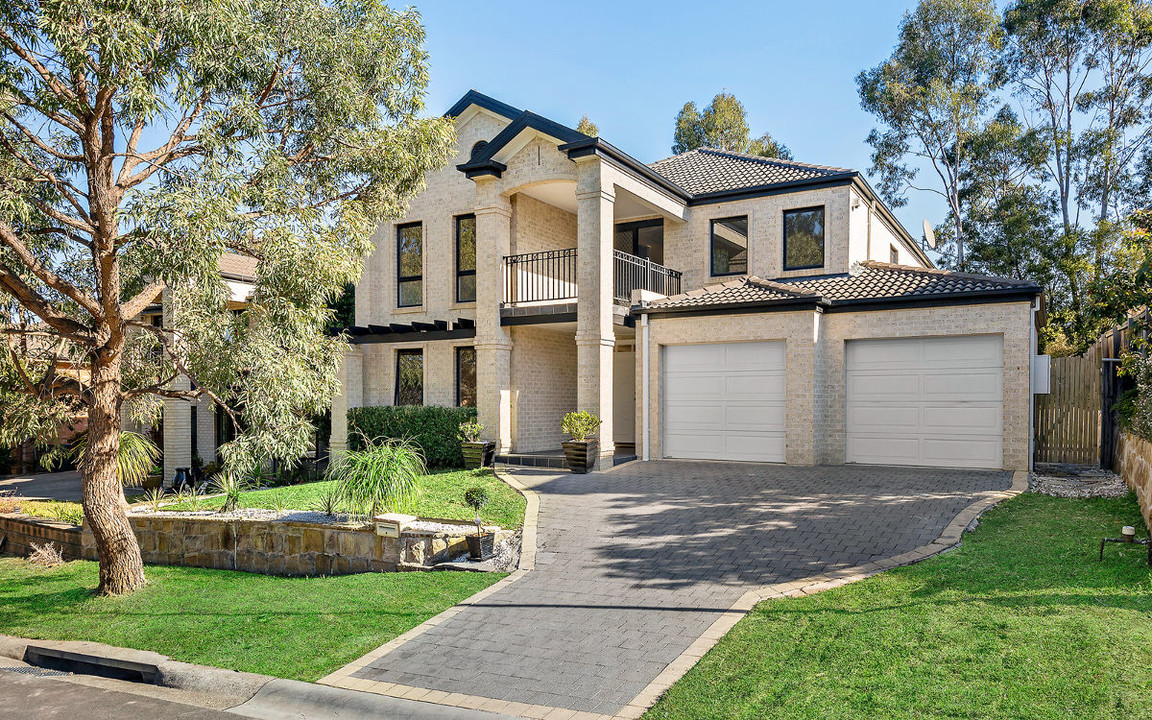
When buying or selling Australian real estate, understanding property valuation is essential for making informed decisions and maximising value. Whether you’re a first‑home buyer, investor or seller, knowing how property is assessed and what influences its estimated market worth helps you negotiate smarter and avoid costly pitfalls.
What Is a Property Valuation?
A property valuation is a professional assessment of what a home or land would likely sell for in the current market. It is conducted by a licensed Certified Practising Valuer (CPV) and yields a legally binding report used for tax purposes, refinance, stamp duty calculations, or legal proceedings. This differs from an informal appraisal provided by a real estate agent, which is less detailed and not legally enforceable.
Formal valuations typically involve a full inspection, market research and comparison with recent sales. There are also desktop valuations, which rely solely on public data without a physical inspection—they are cheaper and faster but less accurate.
Key Factors That Influence Value
Several critical elements shape how property value is assessed:
Location and neighbourhood attributes matter more than anything. Proximity to schools, transport, shops or parks significantly uplifts value. Emerging developments or infrastructure projects nearby also influence anticipated demand. Properties in quieter, poorly connected streets, near noisy roads or lacking natural light often fetch less.
Property size and land area play a major role. Larger land holdings and greater internal living areas command higher prices, particularly in urban areas where land is scarce. Potential for re‑development or subdivision may add even more value.
Condition and age are also vital. Well‑maintained, renovated properties attract premium pricing, while homes needing obvious repairs or presenting outdated features may be devalued during inspection.
Recent sales of comparable properties form the backbone of valuation. The sales comparison approach relies on comparing homes with similar features—size, layout, condition, location—to estimate value. Adjustments account for differences in those attributes.
Market trends, economic conditions and supply/demand dynamics significantly influence valuations. Rising interest rates, low inventory, or strong demand can push prices up, while downturns or oversupply can depress them. Auction clearance rates and days on market can be strong indicators of prevailing sentiment.
Vendor disclosure legal requirements ensure transparency. Sellers must reveal known defects and legal encumbrances under state laws (such as Victoria’s Section 32 or Queensland’s Form 1). Hidden issues can impact value and derail a deal if not disclosed upfront.

Preparing Prior to Valuation: For Sellers
Before arranging a valuation or listing, consider taking steps to maximise perceived value:
Firstly, enhance curb appeal. A well‑maintained garden, tidy entrance, and fresh paint can add up to 5–10% additional value according to Duotax guidance.
Ensure basic repairs and cleanliness are taken care of—fix leaks, broken tiles, tidy clutter, and allow light to flood interiors. Presentation significantly influences the valuer’s impression .
Gather supporting documentation for improvements, plans, zoning info or special features. Provide these to the valuer to validate added value or unique property attributes.
If contemplating upgrades, focus on high‑return areas such as kitchens and bathrooms. But weigh cost‑benefit—some renovations may not deliver full dollar value at sale time.
Engaging Experts: Valuer and Agent Roles
Hire a qualified CPV aligned with the Australian Property Institute’s professional standards to conduct formal valuations for legal or finance use.
Consult a trusted local agent for a comparative market appraisal—though informal, agents can provide insight into current listing strategies and buyer interest in your area. Just be wary of agents who may underquote intentionally to generate more interest.
Don’t rely solely on automated valuation models (AVMs) such as online tools—they offer convenience but may exclude condition or nuanced features. Use them as a starting point, not a substitute for professional valuation.
For Buyers: How to Use Valuations Wisely
If you’re buying, valuation reports can help you confirm a fair price or inform your lending application. Be sure the valuer accounts explicitly for property condition, potential noise issues, zoning, or future development plans.
Always cross‑check the agent’s quoted price range against recent sale prices in the area. Beware property listings that appear deliberately under‑quoted to generate deeper bidding. Underquoting is under legal scrutiny in both NSW and Victoria, and buyers are advised to reference comparable sold prices and agent information statements.
If you receive a valuation lower than expected, you can discuss the appraisal with the valuer, highlight overlooked features, or provide additional supporting evidence of sale prices or improvements to reconsider valuation figures.
Timing: When to Buy or Sell
While many believe spring is the best time to transact, recent data shows that seasonal timing varies. One study reveals November yields slightly higher sale prices (on average ≈0.78% more), while June is often the cheapest time to buy—about 1% below average annual prices.
More reliable than seasonal timing is watching local market activity: number of listings, how quickly properties sell, auction clearance rates, and average selling days. A tight market with rapidly selling properties favours prices; a slower market may allow buyers to be more selective or negotiate better terms.
Avoiding Pitfalls
Misquoting and over‑reliance on agent‑provided estimates are common issues. Underquoting not only misleads buyers but has earned agents significant fines in Victoria for breaches of quoting laws.
Automated valuation tools and unverified agent estimates can misrepresent true value—especially in highly tailored properties or new builds lacking comparable sales. Always use multiple data points, including professional valuation, agent insight, comparable sales and market trends.
Potential buyers should be wary of properties with structural issues, poor light, noise, or unpleasant orientation, as these detract from resale value down the line—even if the price seems attractive today.

Your Property Valuation Checklist
Before buying or selling, be sure to:
Understand valuation types: formal CPV reports are legally binding; agent appraisals are informal estimates.
- Focus on location, property size, condition, recent sale comparables, and broader market trends.
- Present your property neatly, fix basic flaws, provide documentation and highlight key features.
- Engage accredited valuers and cross‑check agent quotes using real sales data.
- Beware underquoting and misleading marketing; always judge value using recent sales in your local area.
- Time your transaction by monitoring local market conditions rather than seasonal myths exclusively.
- For buyers, use valuation reports to inform loan offers and negotiate intelligently; for sellers, use them to validate your asking price and marketplace confidence.
Armed with these property valuation tips, buyers and sellers across Australia—from Sydney to Brisbane, Melbourne to Perth—can confidently navigate the marketplace with clarity and control. Informed decisions start with accurate valuation, transparent processes, and smart timing.