





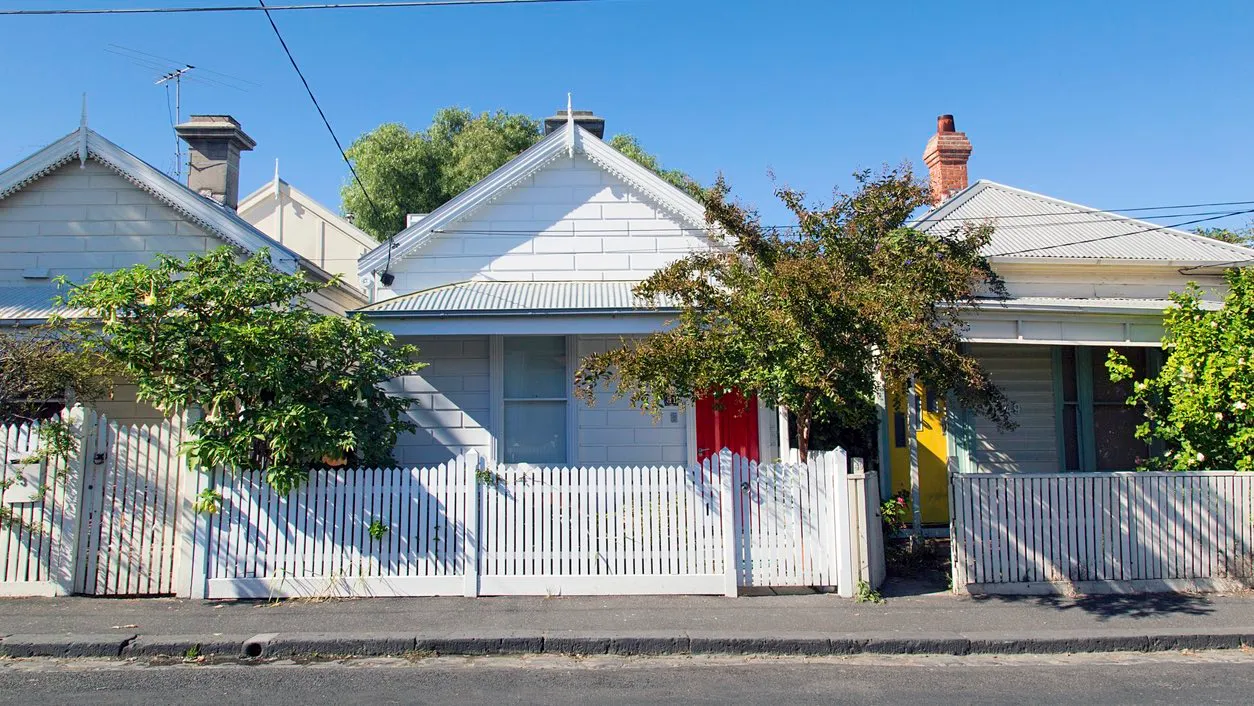
Buying your first home is a monumental step in life. In Australia, this milestone represents more than just financial investment—it’s a step toward stability, freedom, and personal achievement. But navigating the property market for the first time can feel like being dropped in the middle of a maze with no map. From rising house prices to government incentives, it’s crucial to understand the landscape before making any decisions. Here’s what you need to know before buying real estate in Australia as a first-time homebuyer.
- Australian Property Markets Are Local, Not National
While national headlines often talk about “the property market,” the truth is there’s no single Australian real estate market. Instead, each city, town, and even suburb operates according to its own unique trends. For instance, property prices might be soaring in Brisbane while softening in Melbourne. Sydney’s inner west might behave differently from the outer suburbs of Perth. Before you buy, take time to research the specific area you’re targeting. Look into local employment trends, infrastructure projects, public transport accessibility, and demand in the area.
Visiting suburbs in person, reviewing local council development plans, and speaking to real estate agents can give you an edge over buyers relying only on national news stories.
- Your Budget Should Include More Than Just a Deposit
Many first-time buyers get fixated on saving for the deposit, but that’s only part of the cost. You’ll need to budget for other upfront and ongoing expenses that can catch buyers off guard. These include stamp duty, legal and conveyancing fees, building and pest inspections, loan application fees, and lender’s mortgage insurance if your deposit is below 20%.
You should also set aside a financial buffer for moving costs, initial furnishing, and emergency repairs. If you’re buying into a strata-titled property, such as an apartment or townhouse, you’ll also face regular body corporate fees. These aren’t optional and are legally enforceable. Understanding the full cost picture can help you avoid financial strain once you’ve moved in.

- Government Grants and Schemes Can Help—If You Qualify
Australia offers several programs to make it easier for first-time homebuyers to enter the property market. One of the most well-known is the First Home Owner Grant (FHOG), which provides financial assistance for those purchasing or building a new home. The amount and eligibility criteria vary by state or territory.
There’s also the First Home Guarantee, a federal program that allows eligible buyers to purchase a home with just a 5% deposit without having to pay lender’s mortgage insurance. Some states also offer stamp duty concessions or exemptions for first-time buyers.
Before you count on these programs, review your eligibility. Some grants are restricted by income thresholds, property value caps, or property type requirements.
- The Location Will Shape Your Daily Life and Future Value
You can renovate a house, but you can’t change its location. That’s why buying in the right area is so important. Look beyond the price tag and consider factors that affect livability and long-term capital growth. Proximity to good schools, parks, public transport, hospitals, shopping centers, and employment hubs can significantly impact the property’s value over time.
Also, investigate whether there are major infrastructure or development projects planned nearby. New train lines, shopping precincts, or highways can boost an area’s appeal, while future industrial projects or rezoning might hurt its charm.
- Get Pre-Approval Before You Fall in Love With a Home
Pre-approval from a lender gives you a clear idea of how much you can borrow and shows sellers that you’re serious. It’s not a guarantee, but it gives you a solid range to work within.
Shop around for the best loan—not all home loans are created equal. Consider interest rates, comparison rates, loan features like offset accounts or redraw facilities, and fixed versus variable terms. A mortgage broker can help compare lenders and navigate paperwork, especially if you’re unfamiliar with the process.
Avoid overborrowing. Just because a bank approves you for a large amount doesn’t mean you should spend that much. Choose a loan that still leaves you breathing room in your monthly budget.
- Skipping Inspections Is a Risk You Shouldn’t Take
You’d never buy a used car without checking under the hood. The same logic applies to homes. Building and pest inspections can uncover problems that aren’t visible during open homes—like structural damage, leaks, mold, or termite infestations.
For apartments and townhouses, reviewing the strata report is equally important. This document provides insight into the financial health of the body corporate, any upcoming special levies, and past disputes between owners. Neglecting this due diligence might land you with surprise costs or legal headaches later on.
Always use independent, licensed inspectors and don’t rely on reports provided by the seller or agent.
- Understand the Buying Process: Auctions vs Private Sales
In Australia, properties are typically sold via private treaty or auction. Each method comes with its own rules and risks. Private sales allow you to negotiate and generally come with a cooling-off period that gives you time to withdraw after signing (with a small penalty). Auctions, on the other hand, are unconditional. If you win the bid, the sale is final—no cooling-off, no changes, and no backing out.
Auctions can be fast-paced and intimidating. It’s wise to attend a few before participating in one yourself. If you’re planning to buy at auction, all your due diligence—inspections, finance, legal checks—must be done before the auction day. Once the hammer falls, you’re legally committed.

- Know How You’ll Hold Ownership and What It Means
If you’re buying with a partner, family member, or friend, you’ll need to choose how the property is legally owned. The two main options are joint tenancy and tenants in common. Joint tenants have equal ownership, and if one person passes away, the other automatically inherits the full property. Tenants in common can own unequal shares, and each party can pass on their share through a will.
Understanding your ownership structure is also important for estate planning and future resale scenarios. It’s a good idea to speak to a solicitor or conveyancer early on to ensure your interests are protected.
- Think Long-Term, Not Short-Term
The real estate market, like any market, can go up and down. Don’t obsess over trying to time the perfect purchase. What matters more is whether the home suits your needs, fits your budget, and can serve you for the next five to seven years.
Short-term dips in value are normal, and so are interest rate fluctuations. If you’ve bought a home you can afford and intend to hold for the long haul, you’re less likely to be shaken by market noise. Buying property is about security, not gambling.
Be cautious of emotional decisions or fear-of-missing-out (FOMO) mentality. Take your time, ask questions, and trust your instincts.
Buying your first home in Australia is exciting, but it’s not without challenges. From understanding your financial obligations to researching local markets and government incentives, the journey requires careful thought and planning. By being informed, realistic, and proactive, you’ll not only find a home you love—you’ll also set yourself up for long-term success and peace of mind.
No two buyers are the same, and no two properties are either. But when you follow these ten principles, you’ll be far more confident in navigating the real estate landscape—and making it your own.